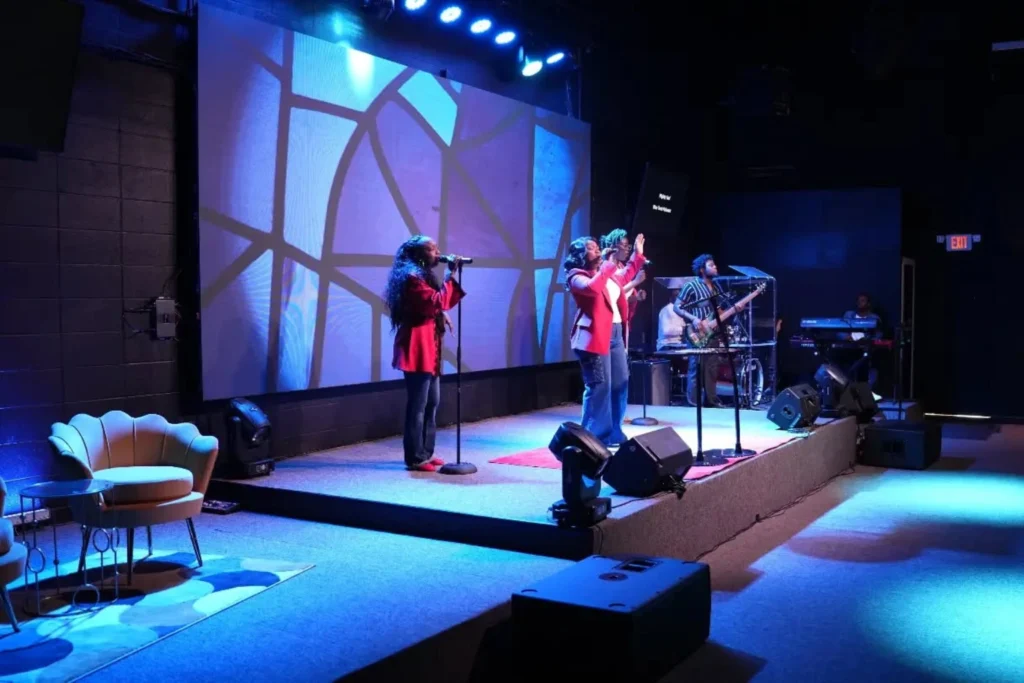
From Projectors to a Modern Visual Experience
When I first spoke with the pastor, the goal was very clear: the church needed a better visual system for worship, announcements, and livestreaming. The existing projector setup had served its purpose, but like many traditional systems, it had limitations. In real-world church environments, projectors often struggle with:- Ambient light washing out the image
- Limited brightness during daytime services
- Ongoing maintenance and lamp replacement
- Inconsistent clarity across seating areas
Planning a Long-Term Church Upgrade
One of the most interesting parts of this project was how long it had been in development. From initial discussions to final installation, the planning phase took over a year. And honestly, that planning made a huge difference. During that time, the church was also moving into a new building and going through construction work. Instead of rushing the installation, both teams worked together to make sure everything was prepared properly. This is something I always emphasize on-site: the quality of the final installation is heavily influenced by what happens before we even arrive. In this case, the church team did an excellent job preparing the wall structure and ensuring the drywall was ready for mounting. That preparation allowed us to move efficiently and focus entirely on precision during installation.The LED Display Solution: Size and Specifications
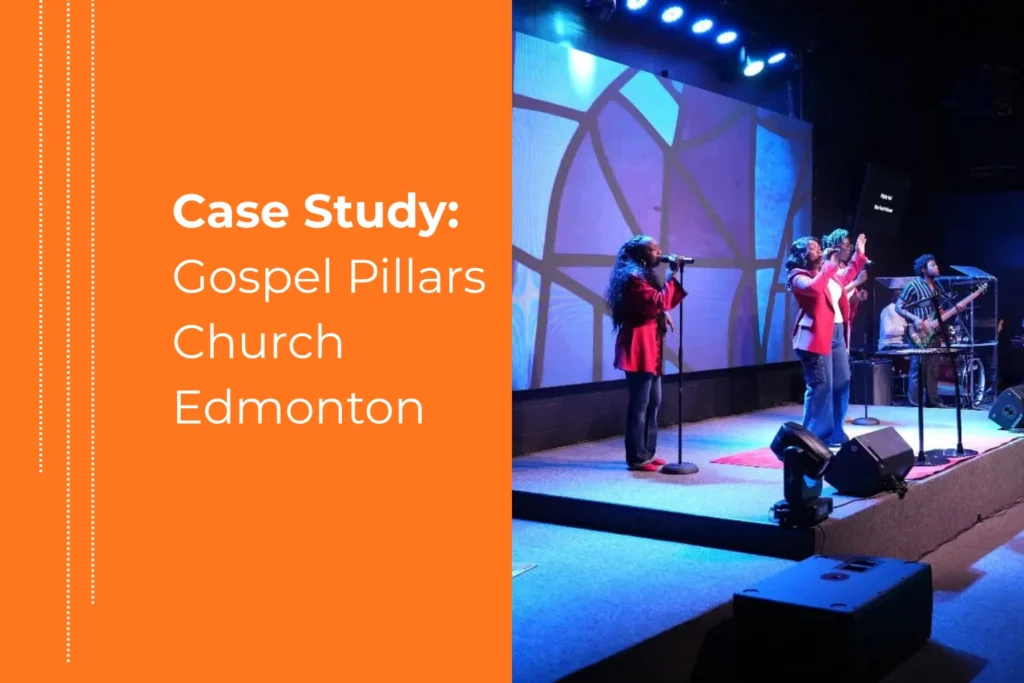
For this project, we installed a 17 by 8 foot LED display using 2.5 mm pixel pitch modules. This configuration was chosen very intentionally. A 2.5 mm pixel pitch offers a strong balance between resolution and viewing distance. In a church environment, this matters a lot because people are seated at different distances — from front rows to the very back. The result is a display that feels:- Sharp and readable up close
- Smooth and detailed from a distance
- Bright enough to remain visible in any lighting condition
Installation Process: Precision Matters
We completed this installation in under two days, which is relatively fast for a project of this size. But speed alone isn’t the point — precision is what really defines the outcome. Because the wall structure was already properly prepared, our installation process was very efficient. Once on-site, our focus was on alignment, calibration, and ensuring a seamless finish. Each cabinet was carefully:- Positioned and leveled
- Aligned to maintain perfect geometry across the full wall
- Connected without visible gaps between modules
The Transformation of the Space
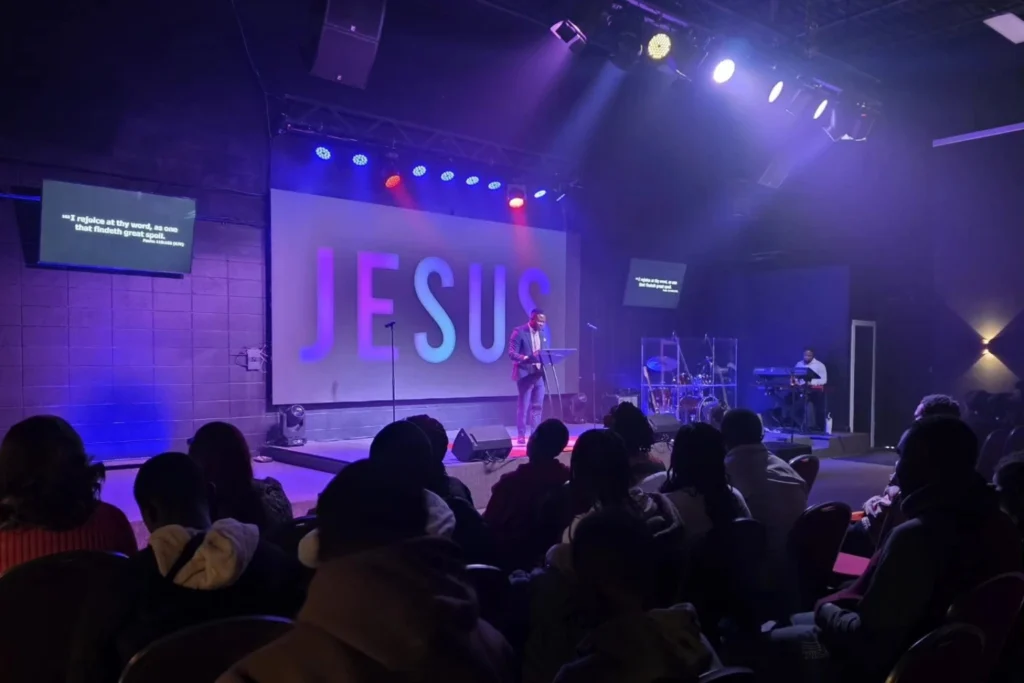
Once the system was powered on and fully calibrated, the transformation of the space was immediate. The sanctuary no longer felt like it was relying on older projection technology. Instead, the visuals became an integrated part of the environment — bright, sharp, and immersive. What stood out most was how the LED display changed the atmosphere:- Worship visuals became more engaging
- Lyrics and scripture were easier to read from any seat
- Livestream content looked significantly more professional
- The overall room felt more modern and intentional
Why More Churches Are Making This Switch
Over the past few years, I’ve noticed a steady increase in churches moving toward LED-based systems. There are a few clear reasons for this shift. First, reliability. Unlike projectors, LED systems don’t rely on lamps or long-term optical maintenance. They’re designed for consistent performance over time. Second, brightness. LED displays remain visible even in well-lit environments, which is extremely important for modern church spaces that often use natural light. Third, flexibility. Churches can easily switch between worship visuals, announcements, live camera feeds, and presentation content without worrying about visibility issues. For many organizations comparing options, understanding video wall cost is often part of the decision-making process. While LED systems can require a higher initial investment compared to projection, the long-term value and performance often justify the upgrade. In fact, many churches initially exploring a led wall for sale are primarily focused on finding a system that balances quality, durability, and scalability for future needs.Installation Insights From the Field
From my perspective as part of the installation team, one of the most important lessons from this project is the value of preparation. When the structural work is done correctly before installation, everything becomes smoother:- Installation time decreases
- Alignment becomes more precise
- Risk of rework is reduced
- Final visual quality improves

The Role of LED Technology in Modern Churches
What I find most interesting is how LED technology is reshaping communication inside worship spaces. It’s no longer just about displaying lyrics or announcements. Churches are now using visual systems to:- Enhance storytelling during sermons
- Support livestream audiences
- Create immersive worship environments
- Improve accessibility for larger congregations
Final Outcome
Looking back at the Gospel Pillars Church project, what stands out to me is how smoothly everything came together when planning, preparation, and execution were aligned. From a construction phase that lasted over a year to an installation completed in under two days, the journey reflects what’s possible when all parts of the process are handled carefully. The final result is a 17×8 ft LED display that completely transforms the visual experience inside the sanctuary — delivering clarity, brightness, and a modern aesthetic that supports the church’s mission. At Canadian LED, this is the kind of transformation we aim for in every project: not just installing technology, but improving how people experience and engage with the space.